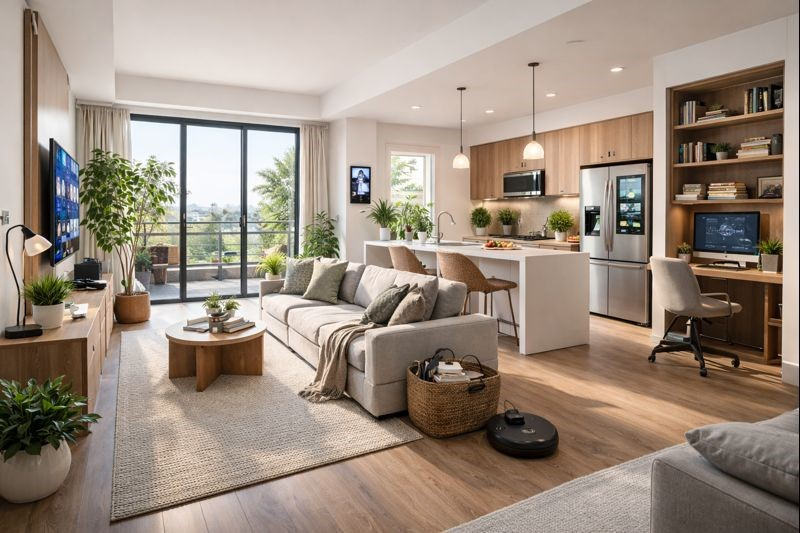
Moving into a brand-new apartment is a bit like opening a fresh notebook: exciting, full of possibility… and weirdly intimidating. White walls, standard finishes, a couple of ceiling lights, and suddenly you’re expected to create “home” from scratch. In the Hungarian market, there’s another layer: new-build supply has been tight, which has helped keep prices and competition elevated. New completions fell sharply in 2024, and by early 2025 new-home prices in the capital were commonly sitting around HUF 1.5–1.7 million per square metre, depending on location and specification. With that level of investment, it makes sense to get the design decisions right the first time.
Here are four design moves that reliably elevate a new apartment without turning it into a showroom.
1) Start with the right team (because “beautiful” begins with “well built”)
Before you buy furniture, choose paint colours, or order pendant lights, make sure you’re confident in the people behind the build or the people you’ll bring in to refine it.
What to check when buying new or near-new:
- Track record and transparency: Look for a developer with completed projects you can visit, clear specifications, and consistent communication.
- What’s included vs. an upgrade: Ask for a detailed inclusions list covering flooring, appliances, bathroom fittings, internal doors, sockets, and lighting points.
- Warranty and handover process: Understand defect reporting timelines and who is responsible for fixing issues.
If you’re improving a recently purchased apartment: treat your contractor as a long-term partner. Renovation costs can vary significantly by scope and finish level. Lighter refreshes may start around HUF 120,000–200,000 per square metre, while more comprehensive renovations especially kitchens, bathrooms, and full services can reach HUF 300,000–1,000,000+ per square metre.
- A simple rule of thumb: if one quote seems dramatically cheaper, ask what’s missing. Prep work, waterproofing, levelling, waste removal, and warranties are often where corners are cut.
- Small move, big payoff: a one-hour consultation with an interior designer or experienced project manager before you commit can prevent costly mistakes later.
2) Design for daily flow first, then for looks
Many new apartments lean towards open-plan layouts. They’re bright and social, but without planning, they can feel undefined or awkward to live in.
Create zones without building walls:
- Use a rug and sofa placement to define the living area.
- Anchor dining with a pendant light and a slim table.
- Set up a work zone with a compact desk and focused lighting.
Choose furniture that earns its place:
- Storage beds or lift-up ottomans
- Extendable dining tables
- Nesting coffee tables or benches with hidden storage
Make storage feel intentional:
Aim for a built-in look even when it’s freestanding. Tall cabinets, closed storage below, and limited open shelving help reduce visual clutter and make the apartment feel calmer and more premium.
With residential prices continuing to rise year-on-year, layouts that support everyday living also support long-term value.
3) Personalise with purpose (not clutter)
Personalisation isn’t about filling every surface it’s about shaping the apartment around how you actually live.
- Try choosing one lifestyle “hero” and letting it guide your decisions.
- Love cooking? Focus on prep space, practical storage, and lighting you enjoy standing under.
- Avid reader? Create a reading corner with a comfortable chair, warm lighting, and a small side table.
- Frequent host? Prioritise flexible seating and surfaces that adapt easily.
Prefer calm minimalism? Invest in fewer, better-quality pieces and layer in texture through fabrics and finishes.
Choose one lifestyle “hero” and design around it then let the space breathe.
Easy upgrade that always feels high-end: swap out everyday touchpoints such as cabinet handles, taps, and door hardware. These small changes subtly lift the entire apartment.
4) Layer lighting like a stylist
Lighting is one of the fastest ways to transform a new apartment from “standard” to welcoming, yet it’s often overlooked.
Aim for three layers:
1. Ambient lighting for general brightness
2.Task lighting where you cook, work, or get ready
3. Accent lighting to add warmth and atmosphere
With construction and labour costs remaining elevated, lighting is a smart, low-disruption upgrade that delivers an outsized impact.
Designer-approved lighting tricks:
- Use warm-toned bulbs in the evening areas.
- Add dimmers or smart bulbs for flexibility.
- Install under-cabinet LED lighting in the kitchen.
- Place mirrors strategically to reflect daylight deeper into the space.
If you only change one thing, change the lighting temperature it instantly makes a home feel more considered.
The takeaway
A finished-feeling apartment isn’t about overspending. It’s about choosing the right team, planning for real life, personalising with intention, and lighting the space properly. Get those four elements right, and even a standard new-build can feel thoughtful, warm, and distinctly yours.
Quick Q&A recap
1) What should I prioritise first in a new apartment?
The build quality, inclusions list, and who handles defects or changes.
2) How can I make open-plan living feel organised?
Define zones with furniture placement, rugs, and lighting rather than walls.
3) What’s the most effective upgrade on a budget?
Layered lighting with warm bulbs and dimming.
4) How much should I budget for updates in HUF?
Light refreshes often start around HUF 120,000–200,000 per square metre, while major renovations can reach HUF 300,000–1,000,000+ per square metre, depending on scope and finish.
5) How do I personalise without clutter?
Design around one lifestyle priority, then let the space breathe.