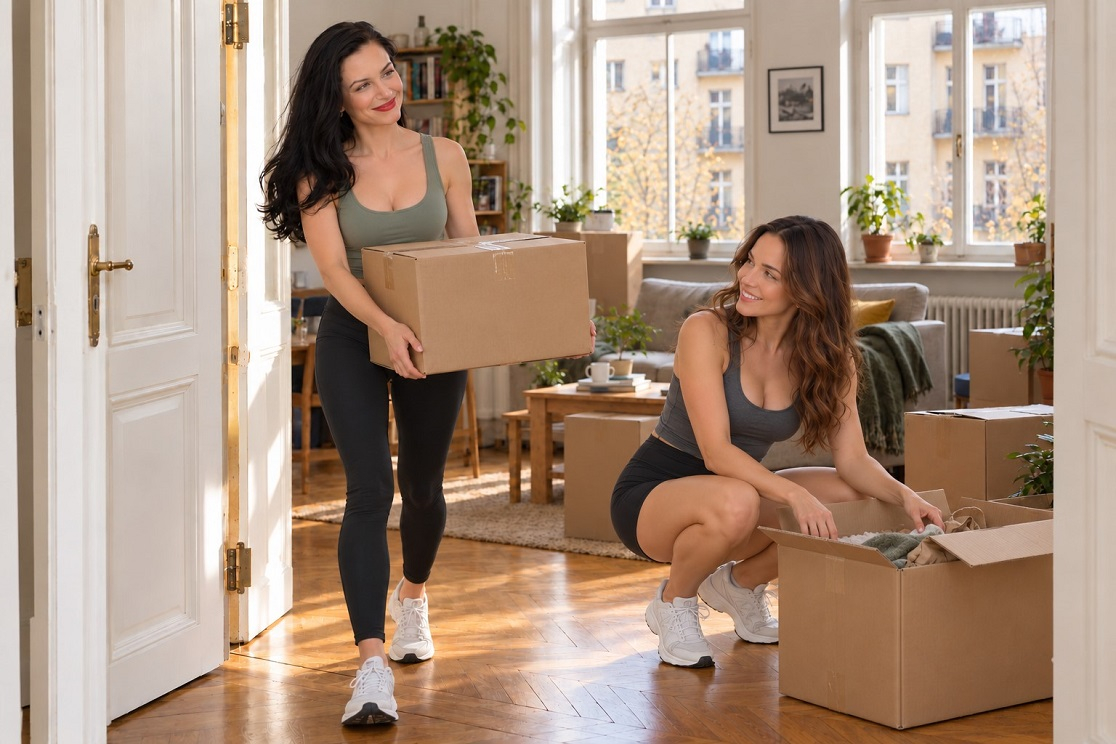
Moving into a new home is one of those rare life moments that sits right between excitement and overwhelm. Doing it yourself packing, lifting, driving, organising can save money and give you full control, but it also takes smart planning to get right. With rental markets shifting and housing expectations changing, more people are choosing the DIY route to keep costs down and make their move fit their timeline.
Here’s your complete guide to managing a self-move confidently, efficiently and without the chaos tailored to the reality of moving in cities like Budapest and beyond.
Know Your Costs Before You Lift a Box
One of the biggest advantages of handling your own move is cost savings—but only if you understand the numbers. Local moving companies typically charge two key fees:
Hourly Labour Fee:
Most movers operate by the hour for loading and unloading. Rates generally fall between 6,000–20,000 Ft per hour depending on truck size, number of helpers, and day of the week.
Kilometre Fee:
Once a move exceeds a small local radius, usually around 5–10 km, a per-kilometre fee is added. Typical costs range from 150–300 Ft per km.
Realistic Total Price Range:
Based on current market data, here’s what you can expect:
- Lower-end DIY-supported move: 35,000–60,000 Ft
- Mid-range move with helpers: 70,000–120,000 Ft
- Full day, longer-distance move: 150,000–250,000 Ft+
Even if you're DIY’ing most tasks, these benchmarks help you compare van-hire, helpers, and other support you may need.
Declutter Before You Move
Every extra kilogram takes time, space and budget. Before you even pick up tape or cardboard, do a whole-home edit:
- Keep what you love
- Donate what still has value
- Recycle what’s past its life
With European homes often reporting storage pressure, a solid declutter means fewer boxes, and fewer paid kilometres or hours in moving costs!
Pack With a System, Not with Panic
The number-one cause of moving stress? Random packing.
Organised packing is your best friend:
- Use smaller boxes for heavy items
- Put fragile items in cushioned containers
- Label every box clearly with room and priority level
- Keep a separate “first night” bag with essentials
Your future self will thank you when you’re not digging through seven boxes to find a phone charger.
Choose the Right Vehicle
Most DIY movers rent a van or small truck. The trick is choosing the right size not too small, not unnecessarily large.
A bigger vehicle can be harder to manoeuvre and costs more per km, while a smaller van may require multiple trips but saves money and simplifies parking.
Use measurements, not guesswork. Check furniture dimensions and make sure everything fits before booking.
Plan Your Moving Day Like a Project Manager
DIY moves work best when you treat them like a coordinated project.
Prepare by:
- Reserving parking space at both locations
- Measuring stairwells and doorways
- Scheduling helpers
- Planning the loading order
- Pre-cleaning the new home
Assign one captain who keeps track of tasks, timing and communication. With one person directing, the whole move feels calmer and more efficient.
Prioritise Essentials the Moment You Arrive
Start with:
- Curtains or blinds
- Bedding and pillows
- Basic dishes and cutlery
- Bathroom essentials
- Wi-Fi or hotspot access
Get these essentials sorted immediately so your home feels liveable while you continue unpacking.
Unpack in Zones, Not All at Once
Begin with the kitchen, then set up the bedroom, then the bathroom, followed by living areas.
Breaking the home into functional zones helps you get fully settled faster.
Protect Your Items and Your Budget
DIY moves sometimes lead to dents or breaks if rushed. Reduce risk by using blankets, straps and protective wrapping.
Secure all furniture inside the van, and check whether your rental van or home insurance includes transport protection.
Create a One-Week Settle-In Plan
Your checklist could include:
- Connecting utilities
- Updating registrations
- Learning rubbish and recycling schedules
- Stocking your pantry
- Walking the neighbourhood
- Identifying local shops, services and transport
These small steps transform your new house into your new life.
Quick Q&A: DIY Moving Made Simple
1. Is DIY moving really cheaper? Usually yes, especially if you handle packing and only hire limited help.
2. How much should I budget? Most moves fall between 35,000–250,000 Ft depending on distance, support and volume.
3. What’s the best van size? Choose the smallest vehicle that fits your largest furniture.
4. How do I avoid being overwhelmed? Pack systematically and zone your unpacking.
5. What should I handle first on arrival? Bedding, bathroom basics and kitchen essentials.